
Don’t Replace It, Repair It – Can Cracked and Pitted Concrete Be Coated?
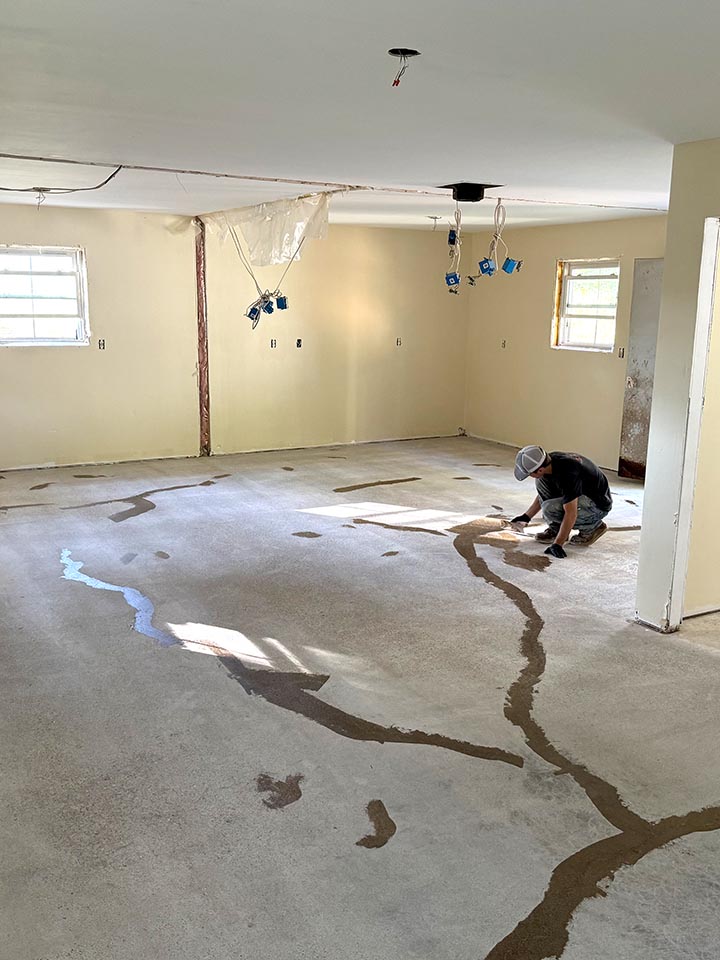
Homeowners often face a dilemma when their outdoor concrete areas start showing significant wear. Driveways, walkways, garage floors, and patios eventually develop unsightly cracks and deep surface pitting. The immediate assumption for many property owners is that a full excavation and total replacement is the only viable path forward. However, ripping out old concrete is an expensive, loud, and incredibly disruptive project. Modern advancements in material science offer a far superior option for most properties. Property owners can save time and financial resources by choosing specialized repair and coating systems instead of total replacement.
Assessing the Integrity of Damaged Slabs
Determining if a damaged slab is a candidate for a professional coating requires checking the underlying structural stability. Concrete experiences different types of degradation over its lifespan. Pitting and surface scaling look terrible, but they are usually superficial issues. These blemishes mean the top finish has failed while the deeper body of the concrete remains perfectly solid. Slabs with cosmetic surface issues are prime candidates for restorative coatings.
Cracks require a more careful look before moving forward. Static cracks are stable openings that occurred due to initial concrete shrinkage or minor settling years ago. These fractures are no longer moving or widening. Professionals on construction and masonry forums note that static cracks are easy to patch, stabilize, and permanently cover with a fresh overlay.
Conversely, structural cracks present a different set of challenges. If one side of a crack sits significantly higher than the other side, the slab has experienced shifting or sinking. Active cracks that continue to widen or move with seasonal temperature changes indicate a failing base beneath the pour. Applying a cosmetic coating over an actively shifting structural failure will not yield long-term success. The moving slab will eventually crack the new coating layer from beneath. A stable foundation is necessary for any repair material to achieve a permanent bond.
The Problem With Total Replacement
Understanding why homeowners avoid full demolition highlights the value of modern coating alternatives. Pouring a brand-new concrete driveway or floor involves massive logistical challenges. Heavy machinery must drive across lawns, often destroying landscaping and tearing up turf grass. The process requires noisy jackhammers to break up the old material, dump trucks to haul away heavy debris, and a lengthy curing window. Homeowners are often unable to use their garages or driveways for several consecutive weeks.
The financial strain of replacement is another major factor for regional property owners. Landlords and homeowners discussing home remodeling costs online emphasize that demolition and disposal fees often equal the cost of the new concrete itself. Landfills charge heavy premiums for concrete recycling and waste management. Additionally, a new bare concrete pour remains completely unprotected from day one. It remains highly vulnerable to the exact same weather, oil stains, and salt chemical stresses that ruined the original surface. Choosing to restore and coat the existing slab eliminates these massive logistical headaches.
Preparing the Surface for a Successful Coating
The absolute key to successfully coating damaged concrete lies within the preparation process. Applying a liquid polymer overlay directly onto dirty, flaking, or oil-stained concrete guarantees an early failure. The new material must achieve a mechanical bond with clean, raw aggregate. Professional teams spend the majority of their project timeline focusing entirely on surface preparation before any coating material ever enters the job site.
| Stage Number | Process Name | Main Purpose & Action |
|---|---|---|
| Stage 1 | Diamond Grinding | Removes weak, chalky top layer and eliminates deep contaminants like oil or old sealers. |
| Stage 2 | Crack Chasing | Opens and widens fractures down to sound concrete using handheld angle grinders. |
| Stage 3 | Polymer Patching | Fills all opened pits, spalls, and cracks flush to create a perfectly flat profile. |
Contractors use heavy walk-behind machines equipped with industrial diamond-segment grinding disks. These grinders strip away the weak, chalky top layer of cement, exposing the strong, porous stone structure underneath. This process opens up millions of microscopic pores within the concrete. The opened pores act like tiny anchors for the liquid coating to grab onto. Grinding also removes stubborn contaminants like old paint, sealers, tire marks, and deeply embedded motor oil.
Once the main grinding process concludes, technicians focus specifically on individual problem areas. Workers use handheld angle grinders to perform a process called crack chasing. This involves cutting directly into every visible fracture to widen the opening slightly and clear out loose dirt, sand, and failing consumer-grade patch products. Cleaning the cracks back to completely sound, solid concrete ensures the structural repair compounds can adhere perfectly to the side walls of the fracture.
Treating Cracks and Pits Permanently
After diamond grinding and crack chasing are complete, the actual repair work begins. Standard concrete patches from local hardware stores are brittle and fail to stop future moisture. Professionals instead utilize advanced polymer-modified mortars and rapid-curing polyurea compounds. These specialized materials cure significantly stronger than traditional concrete while maintaining a slight degree of physical flexibility.
Technicians mix these high-strength compounds and use flat trowels to force the material deep into the chased cracks and pitted pockets. For deeply pitted surfaces, a full slurry coat is spread across the entire slab to level out all low spots. The rapid-curing properties of modern polyurea mean these repairs harden completely in less than an hour. Once cured, workers grind the patched zones down a second time. This final smoothing pass ensures the entire slab presents a perfectly uniform, level profile with no visible transitions where the cracks used to be.
Selecting the Right Coating System
Once the concrete is flat, clean, and structurally sound, it is ready to receive a durable protective coating. Homeowners have access to several distinct coating options depending on their specific usage needs and budget requirements. Each system turns a vulnerable, porous slab into a completely non-porous, highly resilient barrier.
Epoxy coating systems represent a popular and reliable choice for indoor residential garage floors. Epoxy creates a thick, high-gloss shell that resists chemical spills, impact damage, and automotive fluids. Many property owners customize these floors by scattering decorative vinyl color flakes into the wet base coat. This adds visual texture and provides built-in slip resistance.
Polyaspartic coatings offer the premium standard for both interior and exterior concrete protection. Unlike traditional epoxies, polyaspartic compounds are completely stable under direct ultraviolet sunlight. They will not turn yellow, fade, or chalk when exposed to intense summer sun on a patio or driveway. Polyaspartic materials cure incredibly fast, allowing homeowners to walk on their newly finished floor just a few hours after installation. This system is completely waterproof, preventing rain, melting snow, and harsh winter road salt from ever touching the repaired concrete underneath.
Long-Term Protection and Value
Investing in a high-grade concrete coating provides immense long-term value that goes far beyond simple aesthetic improvements. A bare, unprotected concrete slab degrades a little bit more with every passing storm and changing season. Sealing the concrete stops this continuous degradation completely. The impermeable chemical barrier prevents water from entering the concrete matrix, which halts the destructive freeze-thaw cycle entirely.
| Property / Feature | Bare Concrete Surface | Coated Concrete Surface |
|---|---|---|
| Moisture Protection | Highly Porous / Actively Absorbs Water | 100% Waterproof Impermeable Barrier |
| Chemical Resistance | Stains Easily from Oils and Road Salts | Highly Resists Automotive Fluids and Brines |
| Maintenance Level | High (Requires heavy scrubbing and sweeping) | Low (Simple hose rinse or squeegee clean) |
| Overall Lifespan | Degrades Annually due to Freeze-Thaw | Provides Decades of Dependable Service |
Coated surfaces are also incredibly simple to clean and maintain over their lifespan. Property owners on internet forums frequently remark on how easy it is to keep a coated floor clean compared to raw cement. Dust, dirt, and mud cannot grip the smooth resin surface. Homeowners do not need to scrub with harsh acids or chemicals. A simple rinse with a garden hose or a quick pass with a mild liquid soap and a mop keeps the surface looking brand new for decades.
Furthermore, a coated driveway or garage significantly boosts overall property curb appeal and real estate value. Pitted, stained, and cracked concrete makes an entire home look neglected to potential buyers. A pristine, cleanly coated surface conveys a sense of meticulous property maintenance. It shows that the homeowner takes active pride in preserving their structural investments.
Making the Right Choice for Your Property
The decision to repair and coat your concrete rather than replacing it is a highly practical, forward-thinking choice. It addresses both the visual defects and the underlying vulnerabilities of the slab in one streamlined process. Property owners avoid the massive bills, ruined yards, and extended downtime associated with traditional concrete construction crews.
If your concrete is free from major vertical shifting and structural base failures, resurfacing and coating is a highly effective remedy. It breathes brand-new life into old, worn-out concrete surfaces. Working with a professional technician ensures your concrete receives the necessary preparation and commercial-grade coating materials required to withstand daily wear and tear for years to come.
Ready to Upgrade Your Floor?
Protect your concrete before the damage starts. Get connected with Minnesota's preferred floor coating specialists.
Request a Free Estimate →